Every summer, our repair schedule fills up fast, and the reason is almost always the same: heat and moisture. People assume that's a Florida problem, but Southern California summers are no joke. When it's 95 degrees in La Cañada Flintridge, your body sweats just as much as anyone in Miami. And a surprising amount of that moisture ends up sitting right behind your ear, inside your hearing aids.
What Sweat Actually Does to Your Devices
Most people don't connect a muffled hearing aid to the weather. Here's what's actually happening: even in dry heat, sweat and skin oils work their way into your devices quickly. The heat speeds up evaporation, but it leaves something behind. This sticky residue slowly clogs the tiny microphone openings and speaker ports.
You won't notice it right away. Your hearing aids will seem fine, then one day the sound cuts out or goes completely quiet on one side. By that point, you're already looking at a repair visit. The damage builds up quietly over weeks, which makes it easy to miss until it's too late.
The Three Parts Most Likely to Fail
Not every component is equally vulnerable. Three in particular take the worst hit during summer.
The speaker gets hit first. Moisture mixes with earwax and clogs it, which is why sound suddenly seems weak or distorted. It's also one of the pricier parts to replace, so protecting it early saves money later.
Batteries drain faster in heat for rechargeable and disposable models alike. Leaving your hearing aids in a parked car, even for 20 minutes, can permanently reduce battery life. It's easy to avoid, but we see it constantly.
Internal circuits are the third weak point. Most modern hearing aids can resist dust and brief water exposure, but that's not the same as being waterproof. Weeks of daily sweat puts a very different kind of stress on a device than a quick splash. The water resistance rating protects against accidents, not an entire summer of wear.
Tips for Popular Hearing Aid Models
A few habits are worth knowing if you wear one of these common brands.
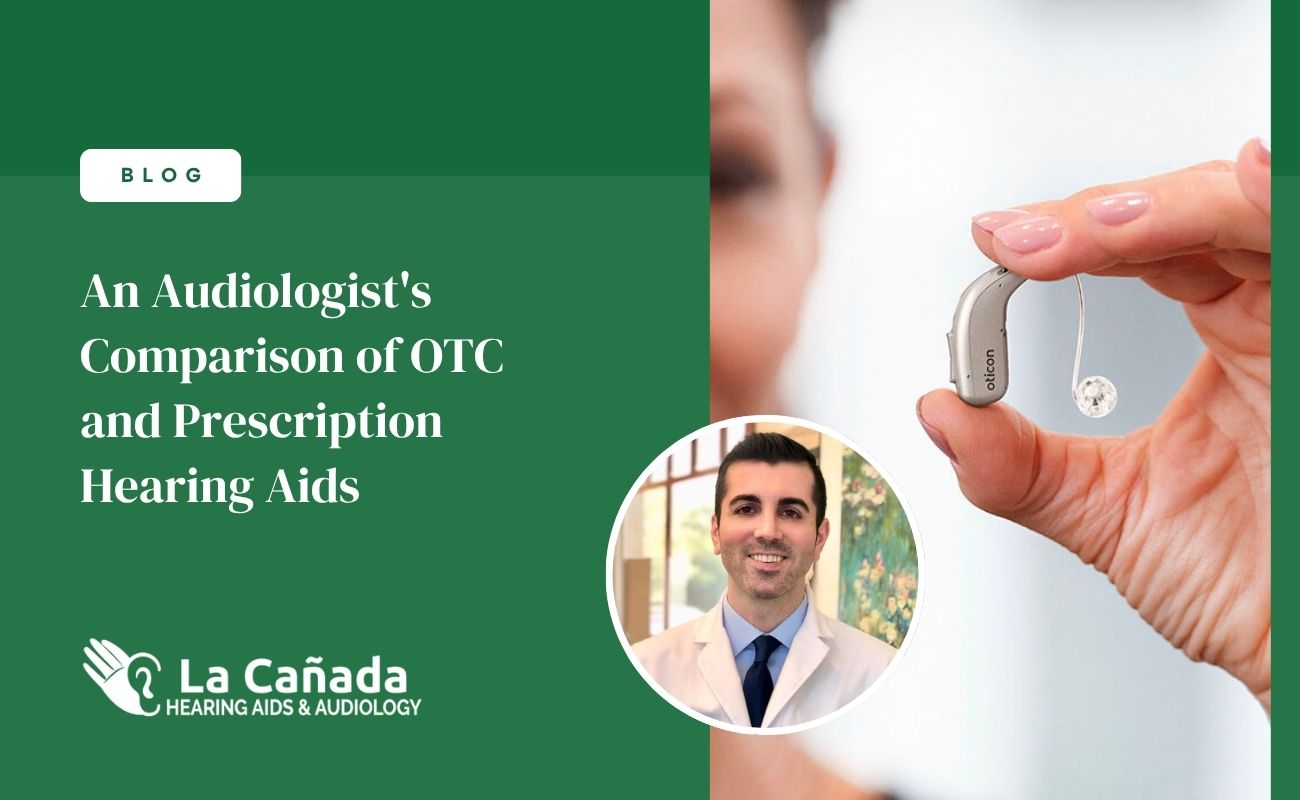
- Oticon Zeal or Intent: Wipe your device with a dry cloth before placing it in the charging case each night. Sealing in moisture alongside a charging battery speeds up damage inside.
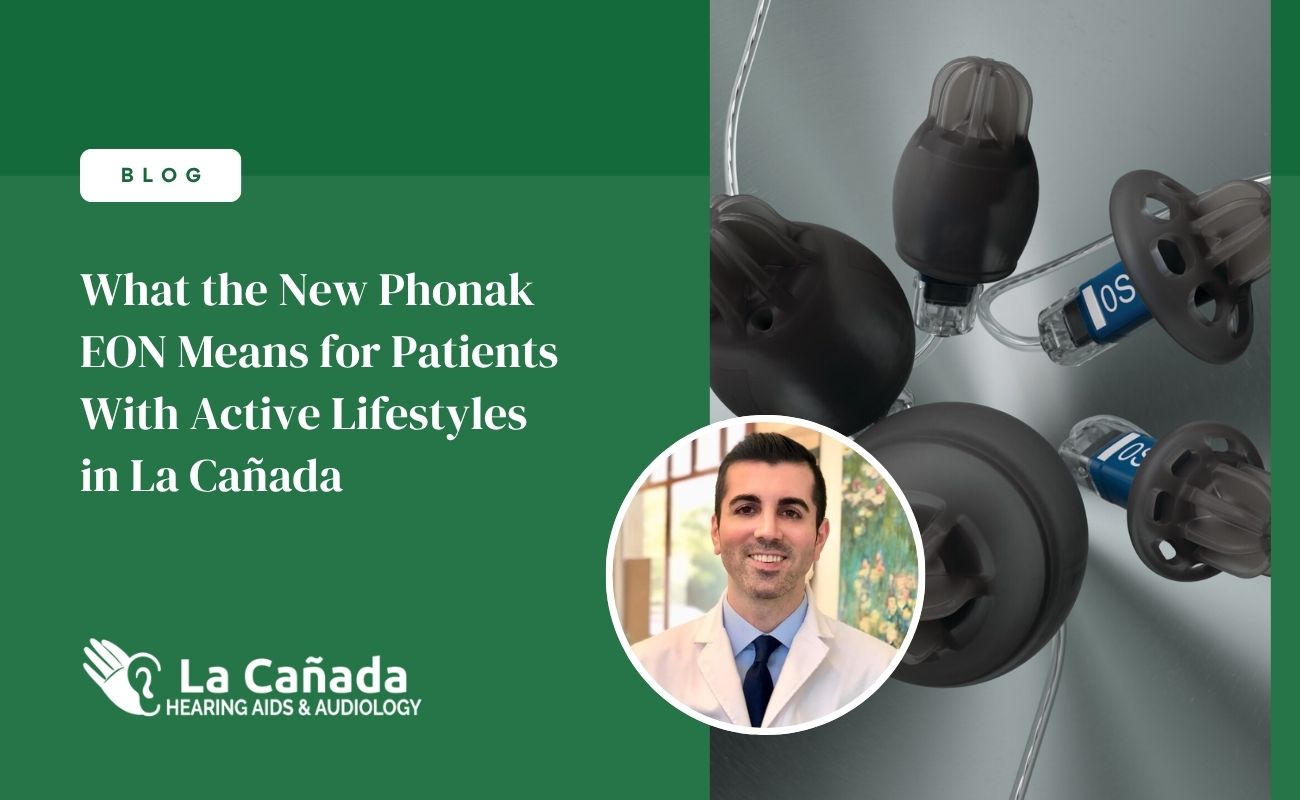
- Phonak Infinio: Pay attention to where the receiver wire meets the earpiece — sweat collects right there. A quick wipe after a workout or a long day outside keeps that connection clean.
- Starkey Omega AI: The waterproof coating protects the outer shell, not the port openings. Focus your cleaning on the microphone openings, since that's where sweat and debris settle first.
Whatever brand you wear, the core rule is the same: don't let moisture sit in your devices overnight without doing something about it.
The One Purchase Worth Making This Summer
A hearing aid dehumidifier is the single most useful thing you can buy right now. Electric models use gentle heat and airflow to pull moisture out of your devices while you sleep. They outperform the older desiccant jars, and many now include a UV function that cuts down on bacteria. This matters when you're wearing your devices through hot, sweaty days.
If you wear hearing aids daily through a Southern California summer, this isn't a luxury item. A consistent routine of basic maintenance prevents much bigger problems down the road. Keep the dehumidifier on your nightstand so it becomes part of your routine without any extra thought.
Four Daily Habits That Make a Real Difference
You don't need a complicated routine. These four habits cover most of the risk:
- Wipe them down every day. Use a soft, dry cloth after wearing your devices, especially after time outdoors.
- Never leave them in a hot car. Even a short stop can cause lasting damage to the battery and internal parts.
- Open the battery door at night. If you use disposable batteries, this lets the device air out between wears.
- Use your dehumidifier consistently. It does the work for you while you sleep.
When It's Time to Come See Us
If your hearing aids are cutting in and out, sounding muffled, or draining batteries faster than usual, don't wait until they stop working completely. Our hearing aid repair services include thorough cleaning, electroacoustic testing, and verification to confirm your devices are performing the way they should.
If you're curious about upgrading to a model better suited to an active lifestyle, Dr. Kevin Ivory can walk you through your options. Call us at (818) 928-1400 to schedule a visit at La Cañada Hearing Aids & Audiology. We'll help you get through the heat without missing a beat.
.webp)