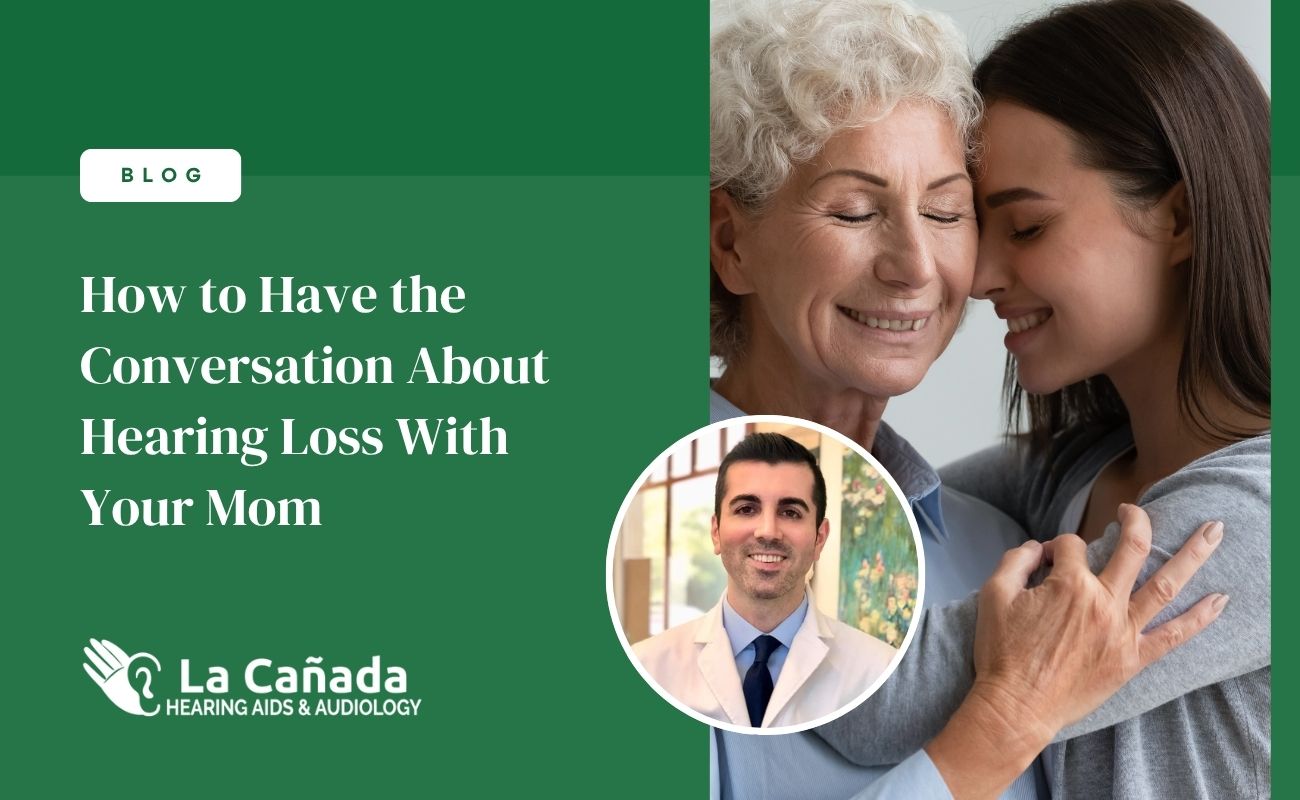
You've noticed it for a while. The TV volume keeps climbing. She asks you to repeat yourself more often, sometimes with a flicker of frustration. Phone calls end with "I couldn't quite catch all of that." You know something's going on — and honestly, she probably does too.But bringing it up? That's the hard part.This conversation can feel like tiptoeing through a minefield. You don't want her to feel embarrassed or like you see her as less capable. And if she's already resistant, you really don't want to push her further away from getting help. Here's what actually works.
Lead With What You've Noticed
The fastest way to shut the conversation down is to open with a solution. "Mom, you need to get your hearing checked" lands very differently than "Mom, I've been worried — I've had to repeat myself a lot lately."
Lead with what you've observed, not what she should do. Bring up specific moments, not vague concerns. The dinner where she missed most of the conversation. When her grandchild tried telling her a story and gave up. The phone call where she seemed frustrated. The TV volume that startled the dog. Specific examples feel like care, not criticism — because that's exactly what they are.
Keep it brief at first. You don't need to make an entire case. Name what you've noticed, then let her respond.
Don't Be Surprised by Pushback
Most people don't leap at the idea of addressing hearing loss. There's a lot wrapped up in it — the sense of getting older, fear of what a test might show, some pride about not needing help. Your mom may push back. She might say nothing's wrong, that everyone mumbles these days, or that people just need to speak up.
Don't argue. Don't list counterpoints.
Try something like: "I hear you. I just want to make sure we're not missing something easy to address." That keeps the door open without turning the conversation into a debate. People are far more likely to consider change when they don't feel cornered or lectured.
It can also help to mention that hearing loss is genuinely common — and that catching it early tends to lead to better outcomes. Not as a lecture, just a quiet, caring detail worth knowing.
Offer to Go With Her
This matters more than most people realize. Many people avoid scheduling a hearing evaluation not because they don't care, but because facing it alone feels hard. The appointment itself seems manageable — it's walking in solo that stops them.
Offer to come with her. Not in an over-the-top way, but a simple "I'll go with you, we'll find out together" can move someone from "I'll think about it" to actually booking the appointment.
At La Cañada Hearing Aids & Audiology, a hearing evaluation with Dr. Ivory is straightforward and relaxed. He takes a detailed history to understand what she's been experiencing, walks through every step clearly, and explains the results in plain language. There's no pressure — just information. Knowing where her hearing stands gives both of you a clear picture of what's going on and what, if anything, to do next.
Give It Time, Then Follow Up
You might plant the seed and not see it grow for weeks or even months. That's okay. The goal of the first conversation isn't to book an appointment on the spot — it's to open the door and let her know you're there.
Follow up gently. A simple "Hey, have you thought any more about that?" goes a long way. Don't bring it up every time you talk, and don't let it become a source of tension. Just keep it quietly on the table.
And when she's ready, move quickly. Scheduling while the motivation is fresh always helps.
Why Earlier Is Better
Here's something worth knowing before you have this conversation: untreated hearing loss doesn't just affect how well someone hears. Over time, it can contribute to social withdrawal, fatigue from straining to follow conversations, and even cognitive decline. Getting a clear picture of where things stand — sooner rather than later — opens up options that might not be available down the road.
That's not meant to alarm you. It's just a good reason not to wait too long.
Talk to Dr. Ivory in La Cañada Flintridge
At La Cañada Hearing Aids & Audiology, we work with patients and their families all the time. The path toward better hearing often starts with someone who loves the patient — someone like you. Dr. Kevin Ivory provides thorough, compassionate care and takes time to explain what he finds, so no one leaves feeling rushed or overwhelmed.
If your mom is ready to take that step — or you'd like guidance on how to start the conversation — give us a call at (818) 928-1400. We're here for both of you.
.webp)