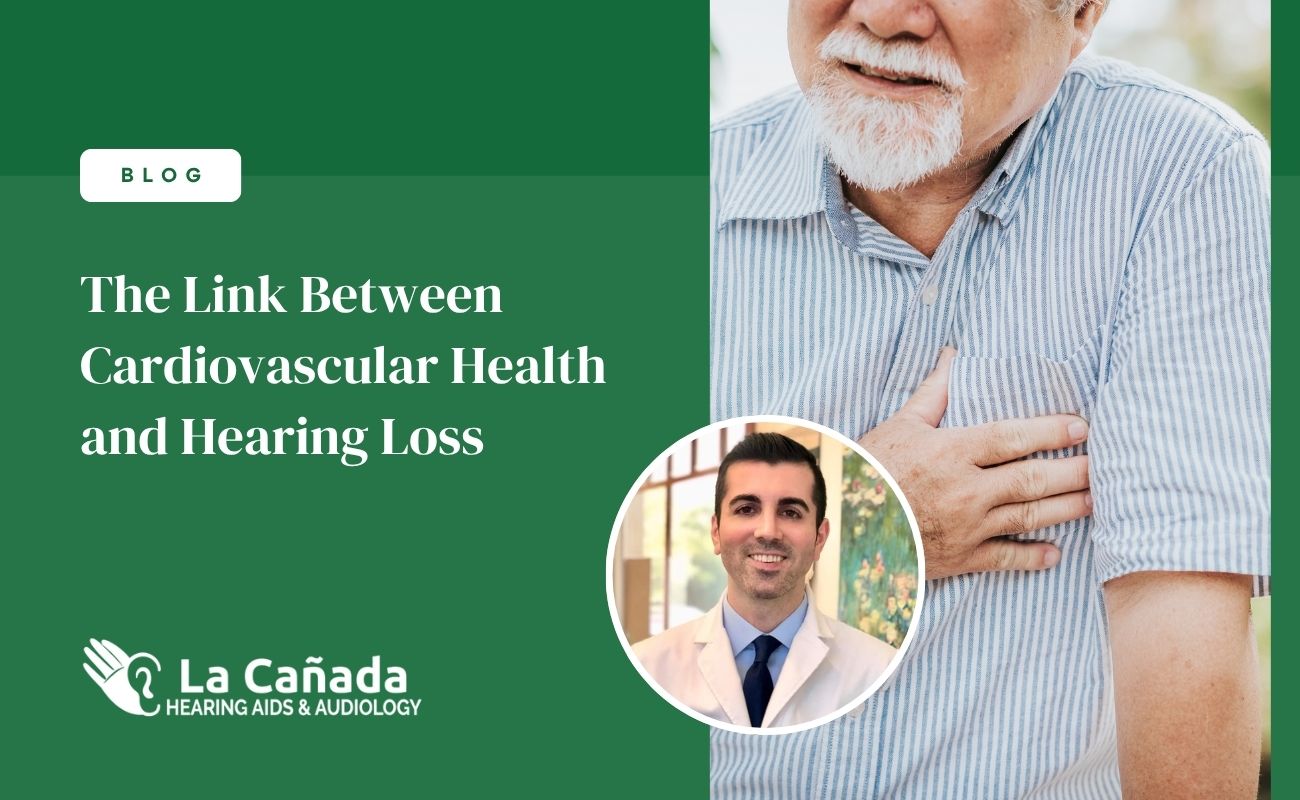
Most people connect heart health to chest pain, blood pressure, or cholesterol. Hearing almost never enters that conversation. But the two are more closely linked than you'd expect, and understanding that connection could change how you think about both.
Why Your Inner Ear Needs Good Circulation
Deep inside your ear is a tiny spiral structure called the cochlea. Its job is to convert sound into signals your brain can read. To do that, it needs a constant, steady supply of blood. Unlike your heart or lungs, the cochlea has no backup circulation. It runs on a single network of very small blood vessels. When that flow gets disrupted, even briefly, the hair cells responsible for detecting sound start to break down. And here's the part that matters most: those hair cells don't grow back. Any damage is permanent.
That's why what happens in your cardiovascular system doesn't stay there.
What the Research Actually Shows
The science here is pretty consistent. Cardiovascular disease has been linked to hearing loss, specifically low-frequency hearing loss — the kind that makes it harder to hear deeper sounds and follow conversations in noisy rooms. Researchers believe those lower tones depend heavily on blood supply to specific parts of the cochlea, making them the first to go when circulation weakens.
High blood pressure stiffens and narrows blood vessels over time. When that affects the tiny vessels in your inner ear, hearing loss follows. Studies consistently show that uncontrolled hypertension raises your risk of permanent, nerve-related hearing loss.
Smoking makes things worse on two fronts: it restricts blood flow and accelerates plaque buildup in arteries. Smokers are significantly more likely to develop hearing loss than non-smokers, and the risk climbs even higher with noise exposure. Diabetes damages blood vessels and nerves across the entire body, including the auditory system. According to the NIH, adults with diabetes are more than twice as likely to have hearing loss. High cholesterol contributes to the same arterial plaque that reduces blood flow to the inner ear.
The pattern is clear: anything that's bad for your circulation is also bad for your hearing.
Your Ears Can Signal Heart Problems
Here's something most people don't know. Unexplained hearing loss, especially in the lower frequencies, can sometimes be an early sign of cardiovascular trouble, appearing before any other symptoms show up
A thorough hearing evaluation isn't just about hearing. Certain patterns of hearing loss, particularly low-frequency loss in an otherwise healthy person, can be a reason to refer someone for a cardiovascular checkup. In that sense, your ears offer a small window into the health of your heart. It's not a diagnostic tool, but it's a signal worth paying attention to.
Lifestyle Habits That Protect Both
The good news: most of what protects your heart also protects your hearing. Regular physical activity, a heart-healthy diet, maintaining a healthy weight, managing blood pressure and blood sugar, not smoking, and limiting alcohol all support healthy circulation, which is exactly what your inner ear needs to stay healthy long-term.
If you've been diagnosed with high blood pressure, diabetes, heart disease, or if cardiovascular conditions run in your family, regular hearing evaluations are worth building into your routine. Tracking your hearing over time means changes get caught early, when there's more you can actually do about them.
When to Get Your Hearing Checked
If you've been turning up the TV more than usual, asking people to repeat themselves, or struggling to follow conversations in noisy places, don't wait. On average, people hold off about seven years from the time they notice a change before they get their hearing checked. That's seven years of potential progression and growing evidence that untreated hearing loss also affects brain health over time.
A baseline hearing evaluation gives you a clear picture of where things stand right now. If something is changing, you'll know sooner rather than later.
At La Cañada Hearing Aids & Audiology, Dr. Kevin Ivory offers comprehensive evaluations that go well beyond a basic hearing test. Using evidence-based tools like the QuickSIN speech-in-noise test, he builds a full picture of your auditory health and, when relevant, works with your broader medical team so nothing falls through the cracks.
Your heart and your hearing are more connected than most people realize. Taking care of your cardiovascular health is one of the most effective things you can do to protect your hearing, and getting your hearing checked is one of the smarter ways to stay on top of your overall health.
Ready to take the first step? Schedule a consultation with Dr. Ivory today.
.webp)